
As I stated in my “Four Laws of Moe” article, moe is a concept that is intrinsically linked to anime. The very term conjures up images of giggling Japanese schoolgirls, meganekko, and other archetypes found solely in Japanese media. But is it possible for moe to exist outside of anime? The feelings of paternal protectiveness which define this meme are not restrained by cultural boundaries, so why does moe itself have to be exclusively Japanese?
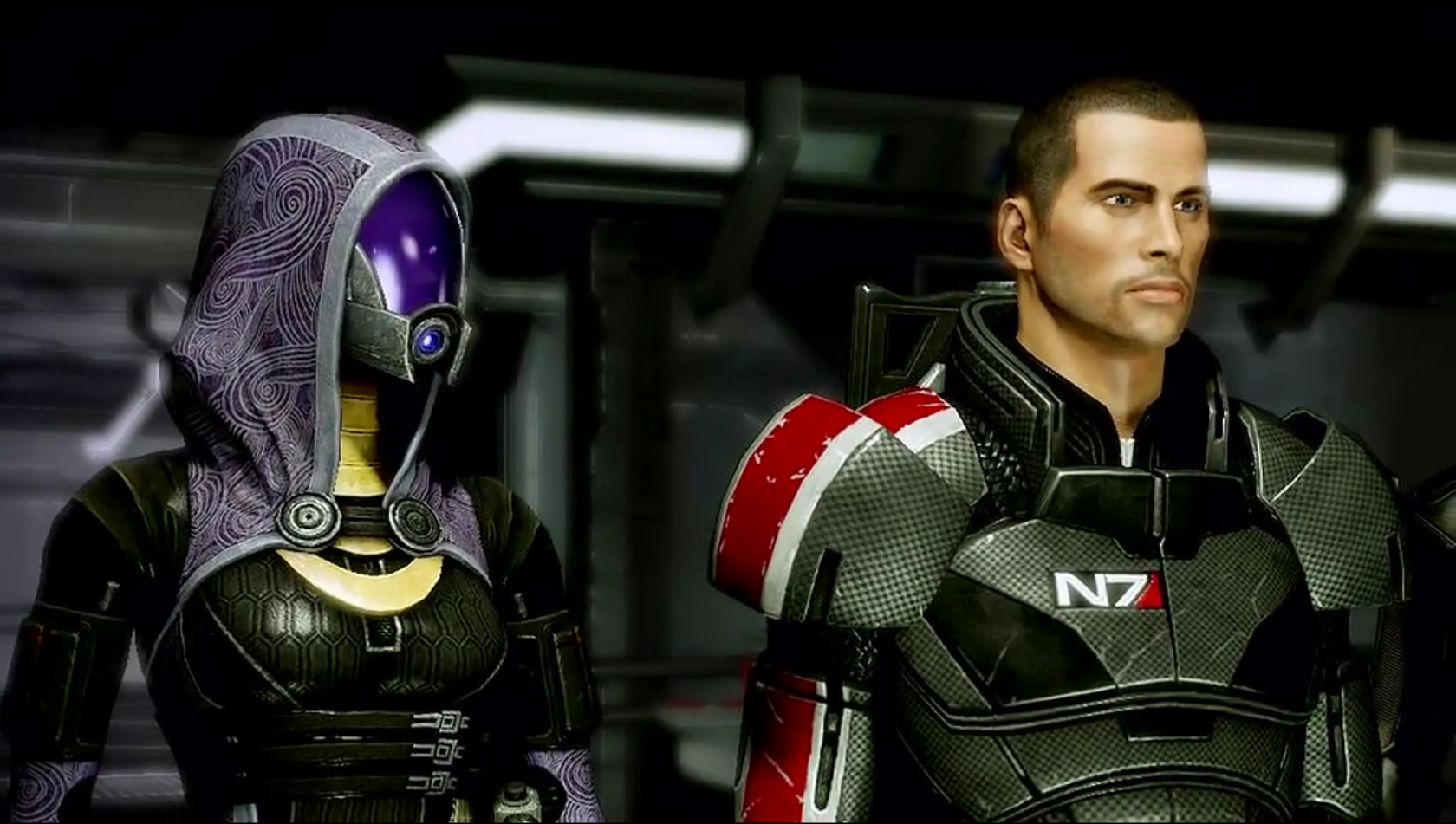
I’d like you to meet somebody. The masked female alien in the picture above is named Tali’Zorah nar Rayya. She is a character from BioWare’s Mass Effect series of space opera RPGs. As a Quarian, Tali’s hypersensitive immune system forces her to constantly remain inside her environment suit, protected from the infectious hazards of the outside world. Even a few seconds of exposure could be fatal. Throughout Mass Effect 1 and 2, you never to see her face… only the cold, hard steel of her mask.
Despite this, I still think she’s moe. Find out why after the break.
Mass Effect is, among many other things, a dating sim. As a starship captain, your character Commander Shepard can carry on a romance with many of his (or her) crewmembers, human and alien alike. Despite the presence of three human female romantic options, the masked Tali has proven to be the most popular lover among fans. Why? I believe her vulnerability is the key. Normally, Tali is tough and confident. She’s a mechanical genius, can handle herself in a fight, and doesn’t take crap from anybody. Although obviously female and quite curvaceous, her suit represents a barrier (both physical and emotional) between you and her. For the entire first game, she remains celibate and even somewhat aloof.
That all changes in Mass Effect 2. Early in the game, you listen to her private logs chronicling an archeological dig and pick up the following tidbit:
So much space. Walls of stone. It’s amazing. I wish my friends could see it. I wish Shepard were here.
Those players that choose to nip at this bait soon find that Tali does indeed harbor feelings for Shepard, but is uncomfortable voicing them. She’s never been intimate with anyone before, in part because of the barrier her suit imposes. When the subject of romance comes up in conversation, the once-tough alien warrior suddenly begins stammering uncontrollably. You can almost see her blushing behind that mask.
This is a phenomenon known as gap moe. Remember that scene in Love Hina where Motoko was crying in Keitaro’s arms? This is very similar. For some reason, people like me enjoy seeing strong characters in vulnerable moments. It tears down the emotional walls that they’ve constructed. They seem so tender and exposed, just waiting for somebody to hug them tight, to protect them. Isn’t that the very essence of moe?
But what about the Four Laws? One of the reasons I created them is to provide a very strict definition for moe. Tali might provoke paternal romantic feelings, but can she pass the test?
Cute: This one is tricky. It’s hard to think of Tali as “cute” per se, since she’s continually hidden behind a mask.; for all we know, she could be some Cthulhu-esqe horror under that thing. However, Tali’s voice actress Liz Sroka does a fantastic job of giving Tali an engaging, even charismatic personality through speech alone. She may not be cute in the traditional sense… but when she walks up to you, voice quivering, and says “Shepard, I’m scared.” I can’t help but feel there’s more to her appeal than simple physical appearance.
Young: Based on her role in Quarian society, I’d say Tali is the equivalent of a woman in her mid-twenties. That’s not exactly old, but still not young enough to fall in the typical moe range.
Innocent: Another tough one. Tali is pretty streetwise, having roamed the galaxy alone for many years. Despite this, her inability to have intimate relations makes her very innocent in a emotional sense. As I mentioned earlier, this juxtaposition only adds to her appeal. Gap moe strikes again!
Quirky: In spades! One of the reasons Tali is so popular is her personality, which is far more three-dimensional than the other female romantic interests. Whether she’s fawning over a new piece of machinery, threatening annoying comrades with a shotgun or awkwardly trying to express her feelings, Tali’s quirky traits make her all the more lovable.
Score: 2.75 out of 4
Verdict: Okay, so Tali isn’t wholly a moe character. She’s not young, only partially innocent, and can’t be considered “cute” in the traditional sense. However, she has several moe traits that help define her personality and make her such an attractive romantic option, especially for male gamers. It speaks to the quality of writing and acting in Mass Effect 2 when a character who never shows the tiniest amount of skin can still be so beloved. Hell, I wouldn’t care if she turned out to be some freaky mandible-mouthed horror. I’d still love her just as much.
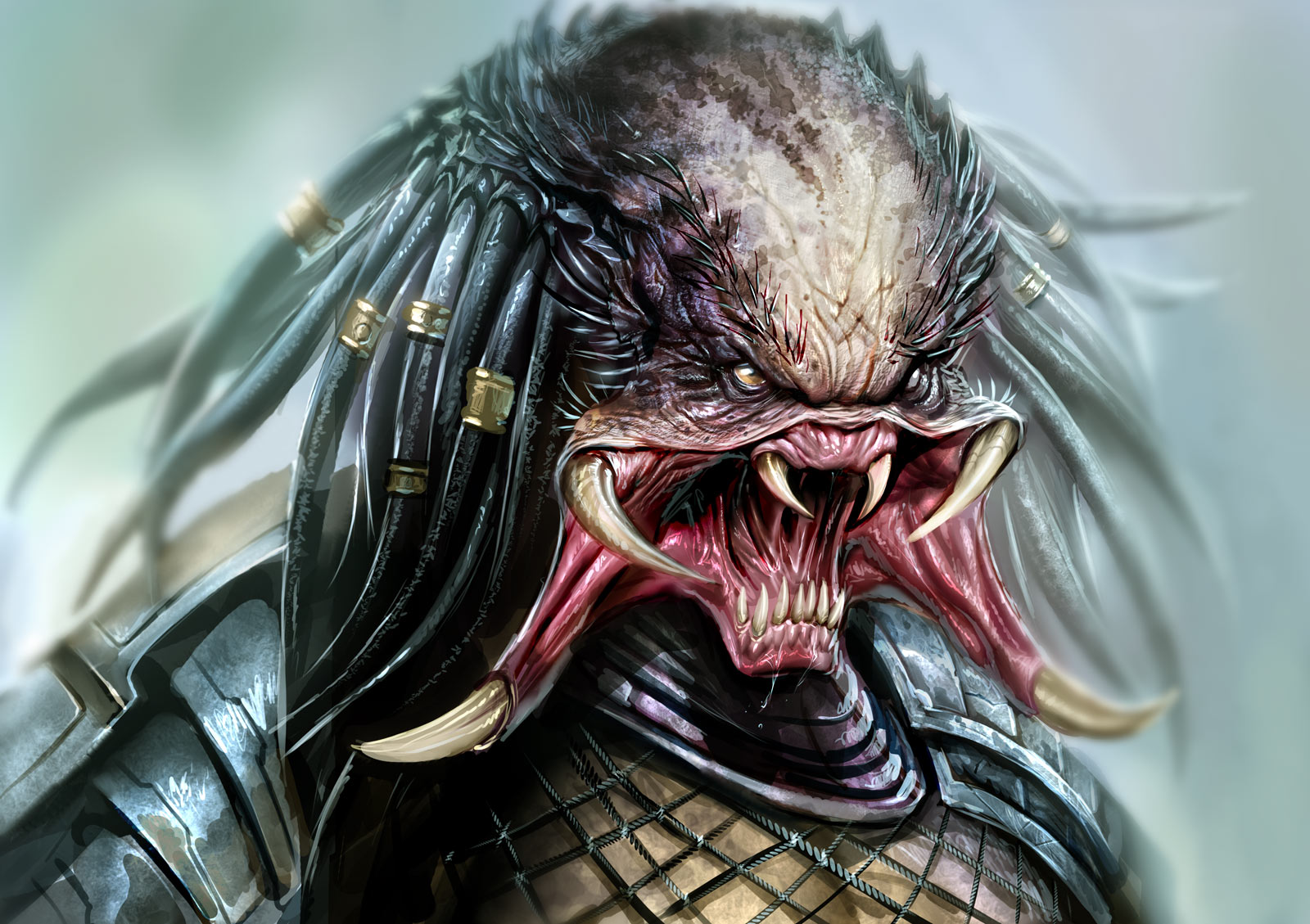
So, what does all this prove? I think the lesson here is “rules were made to be broken.” I’ve defined moe by very strict criteria in the past, but I can admit now that the Four Laws should be seen as guidelines, not rules. Hopefully, I’ve convinced you to think outside the box as well. Moe doesn’t HAVE to be from anime, or even from Japan. Like many narrative archetypes, it can be found anywhere… even behind a mask of cold steel.
